The Evolution of Garage Door Designs: From Traditional to Contemporary
Discover how garage doors evolved from simple wooden designs to modern, stylish, and tech-enhanced models. Learn about materials, features, and trends.
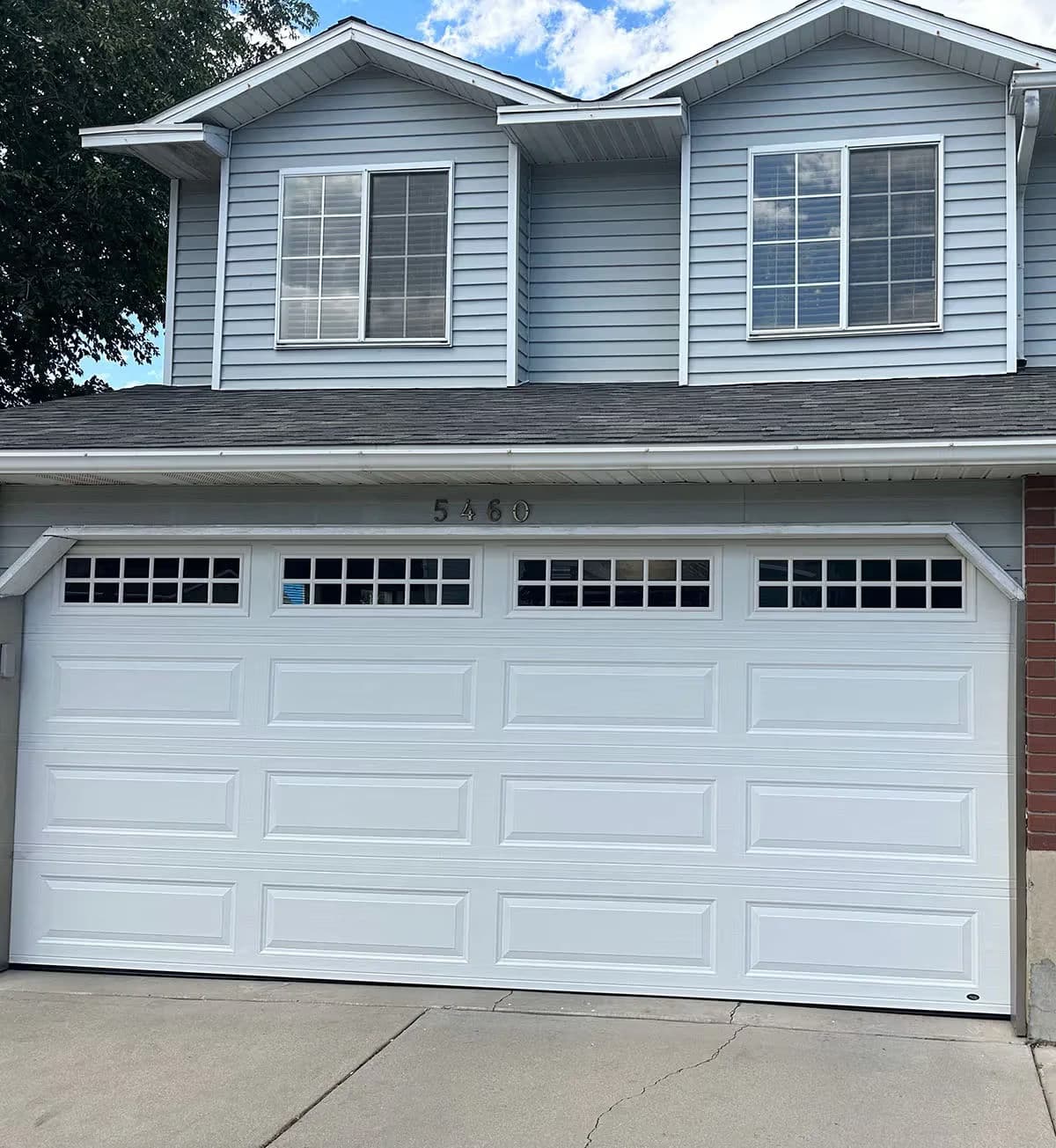
Garage doors have come a long way from their humble beginnings as simple wooden gates to the high-tech, stylish, and customizable designs we see today. Over the decades, changing architectural trends, technological advancements, and material innovations have influenced how garage doors look and function. This evolution reflects shifts in both aesthetic preferences and practical needs. Let’s explore the journey of garage door designs from traditional styles to contemporary innovations.
The Early Days: Traditional Garage Doors
The 1920s-1940s: Basic Wood Paneling
The first garage doors were simple, functional, and primarily made of wood. Early garages were detached structures, and doors resembled large barn doors with swing-out or sliding mechanisms. These doors were sturdy but required significant space to open and close.
Features of Traditional Garage Doors:
Constructed from solid wood
Swing-out or sliding mechanisms
Simple, utilitarian designs
The 1950s-1960s: The Rise of Overhead Doors
With the post-war housing boom, more homes featured attached garages. This led to the popularization of overhead garage doors, which rolled up into the ceiling rather than swinging outward. Wood remained the primary material, but manufacturers began experimenting with steel for greater durability.
Key Advancements:
Introduction of sectional overhead doors
Rise of automated garage door openers
Shift from swing-out doors to roll-up mechanisms
Mid-Century Garage Door Trends: The 1970s-1990s
The 1970s: Steel and Aluminum Gain Popularity
As homeowners sought low-maintenance alternatives, steel and aluminum garage doors became more common. These materials were lighter than wood, reducing the strain on door openers, and required less upkeep.
Popular Styles:
Raised panel doors with symmetrical squares or rectangles
Carriage-style doors with faux hinges and decorative handles
Early insulated doors for better energy efficiency
The 1980s-1990s: Focus on Customization
During these decades, customization became a key focus. Homeowners could choose from a variety of colors, finishes, and window inserts to match their home’s architecture. The rise of fiberglass and composite materials also offered greater design flexibility.
Notable Trends:
Expansion of color options beyond standard white and beige
Windows integrated into garage doors for added aesthetics
Improved insulation technology for better climate control
Contemporary Garage Doors: 2000s to Today
The 2000s: The Fusion of Style and Function
Modern garage doors blend style, technology, and energy efficiency. Homeowners now prioritize not only durability but also curb appeal and smart home compatibility.
Emerging Trends:
Smart garage door openers with Wi-Fi and remote access
Faux wood finishes for the look of wood without maintenance
Greater use of glass panels for a sleek, modern aesthetic
The 2010s-Present: Minimalist and Custom Designs
Contemporary garage doors emphasize clean lines, minimalist aesthetics, and sustainability. Materials such as reclaimed wood, aluminum, and glass create striking, modern designs.
Key Features of Contemporary Garage Doors:
Full-view glass doors for a high-end look
Matte black, gray, and earthy tones for modern appeal
High-tech security features and energy-efficient insulation
Modern Customization Options
Materials: Blending Aesthetics with Durability
Today’s garage doors come in various materials, each with distinct benefits:
Steel: Strong, low-maintenance, and available in multiple finishes
Aluminum: Lightweight and corrosion-resistant, ideal for modern designs
Glass: Enhances contemporary architecture with transparency and natural light
Wood and Faux Wood: Classic appeal with improved durability
Fiberglass: Resilient against weather and customizable in various textures
Colors and Finishes: Expanding Aesthetic Choices
Homeowners now have a broad palette of colors and finishes to choose from:
Neutral tones: Gray, black, and white for a sleek, modern touch
Wood stains: Mahogany, cedar, and walnut for a warm, classic look
Textured finishes: Brushed metal, frosted glass, and matte surfaces for contemporary appeal
Smart Technology: Enhancing Convenience
Advancements in garage door technology improve security and ease of use:
Smartphone connectivity for remote control
Motion sensors and cameras for added security
Solar-powered openers for energy efficiency
Visual Evolution of Garage Doors: Then vs. Now
Comparing traditional and modern garage doors highlights significant changes:
1920s-1940s: Wooden swing-out doors, basic designs
1950s-1970s: Sectional overhead doors, steel and aluminum options
1980s-2000s: Customization with windows, colors, and insulation
2010s-Present: Smart technology, glass panels, and minimalist aesthetics
Final thoughts
The evolution of garage door designs reflects changes in architectural styles, technological advancements, and homeowner preferences. From rustic wooden panels to sleek, glass-paneled doors with smart features, today’s options offer durability, efficiency, and aesthetic appeal. Whether you prefer a traditional or contemporary style, the right garage door can enhance your home’s curb appeal and functionality.