Eco-Friendly Garage Door Options: Sustainable Materials & Practices
Discover eco-friendly garage door options using materials like reclaimed wood and recycled aluminum. Learn about insulation choices for energy savings and green manufacturing.
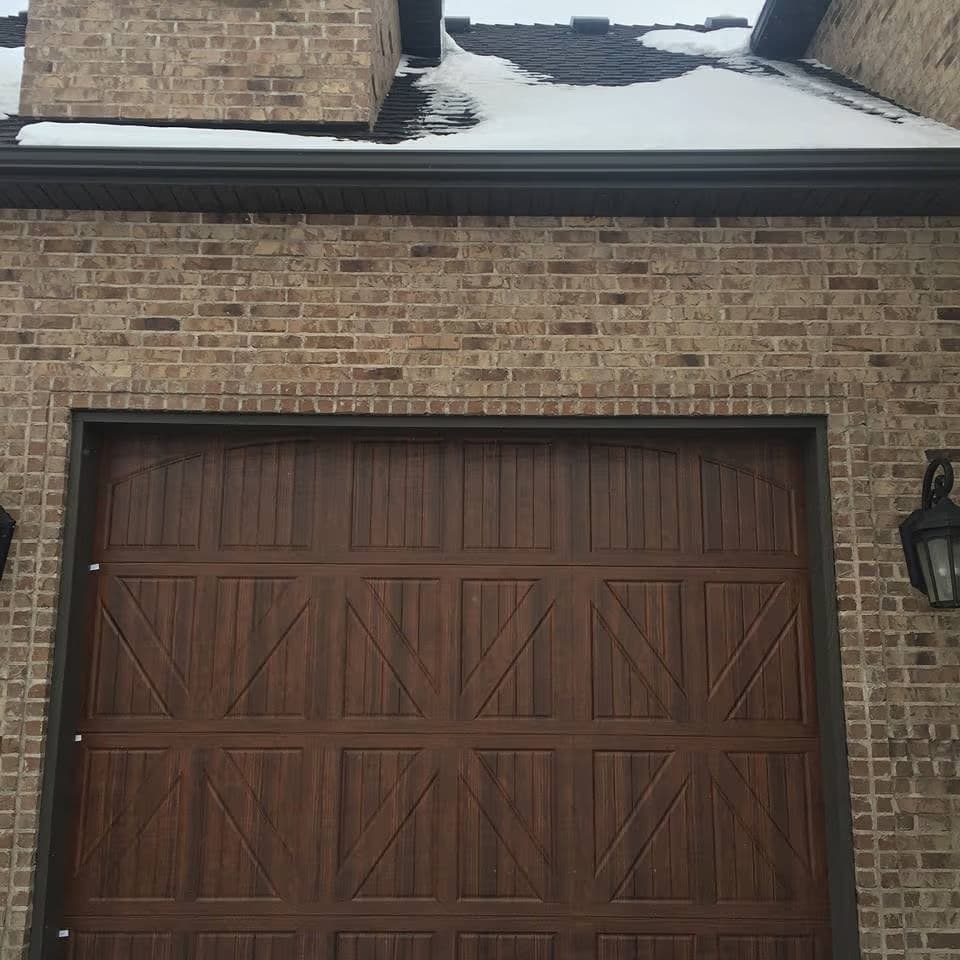
Why Choose an Eco-Friendly Garage Door?
Traditional garage doors are made from materials that consume high amounts of energy during production and lack sustainability. Many contain non-recyclable components and contribute to environmental waste. Additionally, poor insulation in standard doors increases energy consumption, driving up heating and cooling costs. Homeowners looking to reduce their carbon footprint and energy bills should consider eco-friendly garage door options that use sustainable materials and green manufacturing practices.
Sustainable Materials for Garage Doors
Choosing the right material for a garage door is the first step toward sustainability. The following materials offer durability, energy efficiency, and environmental benefits.
1. Reclaimed Wood
Reclaimed wood is an excellent alternative to new lumber, reducing the demand for freshly cut trees. Sourced from old barns, factories, and demolished buildings, reclaimed wood offers a unique aesthetic while minimizing waste. It is naturally durable and, when properly treated, can withstand harsh weather conditions.
Pros:
Reduces deforestation and repurposes existing materials
Unique and rustic appearance
Can be insulated for better energy efficiency
Cons:
Higher maintenance than other materials
Susceptible to moisture and insects if not properly sealed
2. Recycled Aluminum
Aluminum garage doors made from recycled materials are lightweight, rust-resistant, and durable. Unlike steel, aluminum requires less energy to produce and can be easily recycled at the end of its lifespan.
Pros:
100% recyclable and highly durable
Resistant to rust and corrosion
Lightweight, reducing strain on garage door openers
Cons:
Less insulating than wood or fiberglass
Can dent easily compared to heavier materials
3. Fiberglass with Sustainable Cores
Fiberglass is often used in modern garage doors due to its lightweight and durability. When paired with sustainable cores made from recycled materials or environmentally friendly insulation, it becomes an eco-conscious choice.
Pros:
Resistant to moisture, warping, and pests
Can be insulated for high energy efficiency
Long-lasting and requires minimal maintenance
Cons:
Not as recyclable as aluminum
Higher initial cost
Energy-Efficient Insulation for Garage Doors
Beyond sustainable materials, insulation plays a critical role in making a garage door eco-friendly. Proper insulation reduces heat transfer, lowering energy consumption for heating and cooling.
Insulation Types
Polystyrene Insulation: A cost-effective option that provides moderate energy efficiency.
Polyurethane Insulation: Higher density than polystyrene, offering better thermal resistance and noise reduction.
Recycled Denim or Cellulose Insulation: Made from recycled materials, these options provide an eco-friendly alternative to synthetic insulation.
Benefits of an Insulated Garage Door
Lower energy costs: Helps maintain indoor temperatures, reducing heating and cooling expenses.
Improved durability: Insulated doors are stronger and more resistant to dents and warping.
Enhanced comfort: This keeps the garage temperature stable, making it a more functional space.
Eco-Friendly Manufacturing Practices
Choosing a garage door from a company that prioritizes sustainable manufacturing is another way to reduce environmental impact.
Key Sustainable Manufacturing Practices
Use of Renewable Energy: Some manufacturers operate facilities powered by solar or wind energy.
Waste Reduction: Companies that recycle scrap metal, wood, and other materials contribute to sustainability.
Low-VOC Coatings and Finishes: Volatile organic compounds (VOCs) in paints and coatings release harmful emissions. Opt for manufacturers that use low-VOC finishes.
Sustainable Sourcing: Look for companies that source materials from responsible suppliers.
The Environmental Impact of Traditional Garage Doors
Standard garage doors contribute to pollution, excessive energy use, and material waste. Key environmental drawbacks include:
High Carbon Footprint: The production of new steel, aluminum, and synthetic materials requires significant energy.
Poor Energy Efficiency: Non-insulated doors lead to higher energy use, increasing a home's overall footprint.
Landfill Waste: Many traditional doors are not recyclable and end up in landfills when replaced.
Choosing the Right Eco-Friendly Garage Door
When selecting a sustainable garage door, consider the following factors:
Material: Opt for recycled or reclaimed materials whenever possible.
Insulation: Look for high-R-value insulation to maximize energy efficiency.
Durability: Choose materials that require minimal maintenance and have a long lifespan.
Manufacturing Practices: Research companies that prioritize sustainability.
End-of-Life Recycling: Select doors that can be recycled when no longer needed.
Final Thoughts
Eco-friendly garage doors are a worthwhile investment for homeowners seeking sustainability, energy efficiency, and cost savings. You can reduce your home's environmental impact by choosing reclaimed wood, recycled aluminum, or fiberglass with sustainable cores. Coupled with proper insulation and responsible manufacturing, these doors contribute to a greener planet while providing long-term benefits. Before purchasing, research materials, insulation options, and manufacturer sustainability practices to make an informed decision that benefits your home and the environment.